Knowledge, Technology
Aluminum Angle — A light, durable, and versatile structural solution for modern industry
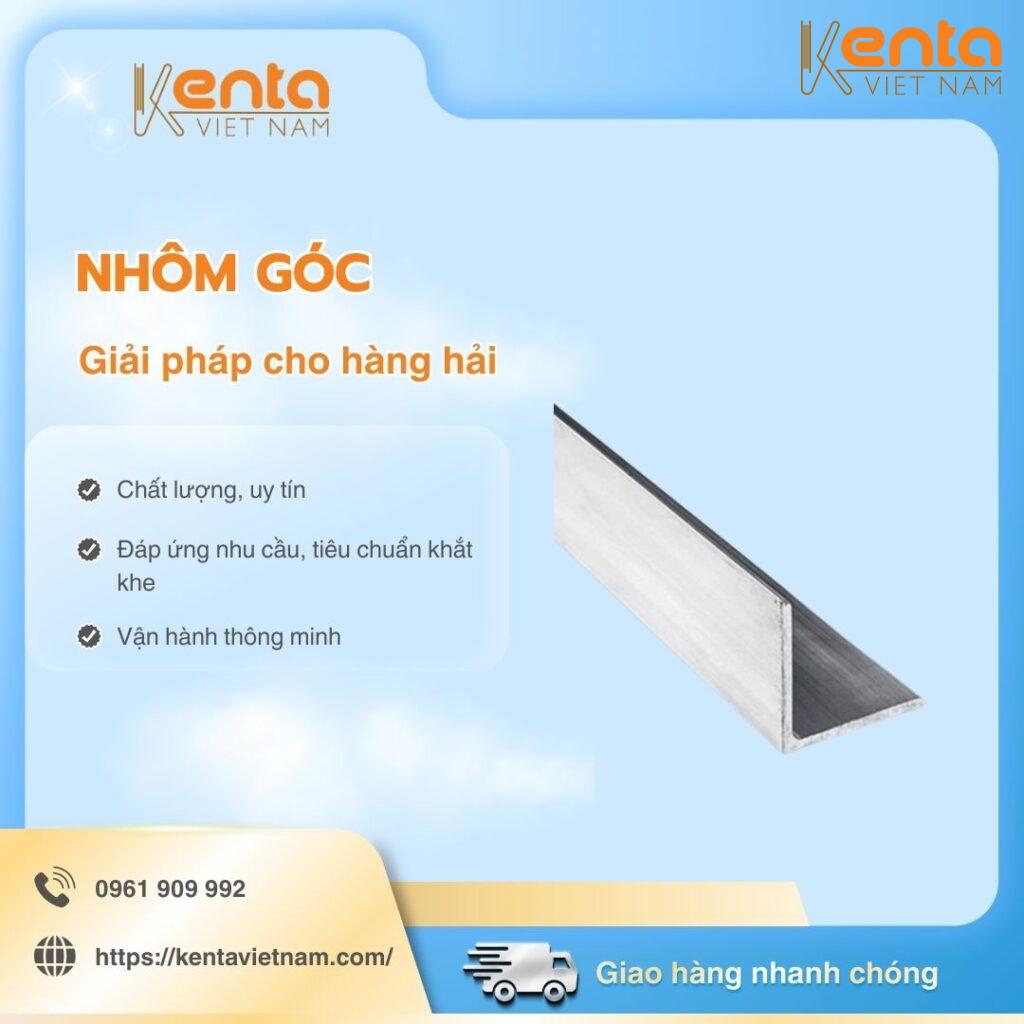
Aluminum Angle is an extruded aluminum product widely used in structures, frameworks, and assembly components due to its strength, light weight, and high machinability. This article provides an in-depth analysis of its material properties, technical applications, inspection standards, and supply solutions from Kenta Vietnam, including BV, Lloyd, and ABS certificates, and delivery services across Southeast Asia at optimal cost.
What is aluminum angle and its material nature
Aluminum angle is an extruded aluminum bar with a right-angle cross-section, manufactured from pure aluminum or aluminum alloy using the extrusion method. The material comes in various leg sizes and thicknesses to suit structural requirements. The alloy's nature largely determines the mechanical properties of the aluminum angle: some grades prioritize strength, while others focus on ease of machining or corrosion resistance.
In manufacturing technology, aluminum angle is often produced from common grades such as 6061, 6063, or marine alloys 5xxx for offshore applications. Choosing the appropriate grade helps optimize load-bearing performance, lifespan, and maintenance costs under actual project conditions.
Mechanical-physical properties and behavior in structural design
Aluminum angle has a low specific gravity, leading to a reduction in the overall weight of the structure compared to using steel. The tensile and compressive strength of aluminum angle depends on the alloy grade and heat treatment. With common processing grades, aluminum angle offers moderate stiffness, sufficient for frames, braces, railings, or auxiliary structures for machinery.
When designing, engineers need to consider deflection, yield point, and connections. Since aluminum has a higher coefficient of thermal expansion than steel, connecting components must have technical clearances to prevent deformation due to temperature changes. Welding aluminum angle also requires selecting appropriate methods and filler wires to ensure defect-free joints and maintain the required mechanical properties.
Practical applications of aluminum angle in various industries
Aluminum angle is widely used in industrial structural manufacturing due to its processing flexibility. In industrial and civil interior construction, aluminum angle is used for curtain frames, shelves, door frames, railings, and light load-bearing decorative products. In the marine and shipbuilding industries, aluminum angle serves to reinforce decks, railings, and auxiliary frames, especially when using marine alloys to enhance seawater corrosion resistance.
In the field of precision mechanics, aluminum angle is a convenient material for manufacturing jigs, machine frames, or structures for automated systems due to its ease of processing, assembly, and good dimensional stability after surface treatment.
Quality standards, inspection, and necessary certifications
Aluminum angle shipped for large projects must be accompanied by documentation to ensure traceability and batch stability. A Mill Test Certificate (MTC) is a basic document confirming chemical composition and mechanical tests. For marine structures or export projects, international classification certificates play an important role in shortening acceptance procedures and meeting registration requirements.
Having BV (Bureau Veritas), Lloyd’s Register, or ABS (American Bureau of Shipping) certificates reassures investors about the origin and quality, while also facilitating insurance and technical safety certification processes.
Notes on purchasing, storing, and installing aluminum angle
When purchasing aluminum angle, buyers should check the MTC and batch label to verify the alloy grade and material condition. For storage, aluminum angle should be kept in a dry warehouse, avoiding direct contact with saline environments or corrosive chemicals. Before installation, the surface should be cleaned of oil, grease, and impurities to ensure good adhesion for welds or bolts.
During on-site installation, intersections need to be treated with anti-corrosion measures and thermal expansion joints. For load-bearing structures, preparing structural calculation documents and verifying actual deformation after construction is mandatory to ensure operational safety.
Kenta Vietnam — International standard aluminum angle supplier
Kenta Vietnam is a reputable supplier of aluminum angle, providing extruded aluminum products to the domestic and Southeast Asian markets.Kenta ensures that each batch of aluminum angle comes with a Mill Test Certificate and can support the provision of international classification certificates such as BV, Lloyd's Register, and ABS when required by the project. Transparency in documentation helps shorten the acceptance process and increases reliability in project management.
Kenta also provides consultation on selecting suitable alloy grades for each item, proposes surface treatment methods, and offers specialized construction guidance to minimize technical risks. With strategic warehouses and an optimized logistics network, Kenta commits to delivering goods across Southeast Asia at the lowest cost, helping customers effectively control project progress and costs.
Application prospects and development trends
Aluminum angle will continue to be an important choice as industries aim to optimize weight and sustainability. The trend of green materials, the high recyclability of aluminum, and the development of alloys with better mechanical properties will expand the application range of aluminum angle in the coming years. Improvements in surface treatment and aluminum welding technology also help aluminum angle compete more effectively with traditional materials in many high-tech applications.
Aluminum Angle is a lightweight, flexible structural solution with many technical and cost benefits for various industries. Choosing a reliable supplier with clear certification records and regional distribution capabilities is a crucial step to ensure construction quality. Kenta Vietnam provides standard aluminum angle, accompanied by BV, Lloyd, and ABS certificates when needed, and delivery services across Southeast Asia at optimal costs, ready to accompany large and small projects in the region.
————
KENTA VIETNAM – QUALITY BUILDS TRUST
 Main office: No. 22, Phung Cong service area, Phung Cong Commune, Hung Yen province
 Warehouse No. 1: Ngo Yen Hamlet, Hong An Ward, Hai Phong City (at the foot of Kien Bridge)
Warehouse No. 2: No. 22, Phung Cong service area, Phung Cong Commune, Hung Yen province
 Phone: 0972 887 106 – 0961 909 992
 Email: contact@kentavietnam.com
 Website: kentavietnam.com